
DMC inspiration
A customisable South Africa and Botswana itinerary agencies can re-cut
14 October 2026 · 7 min read
Read article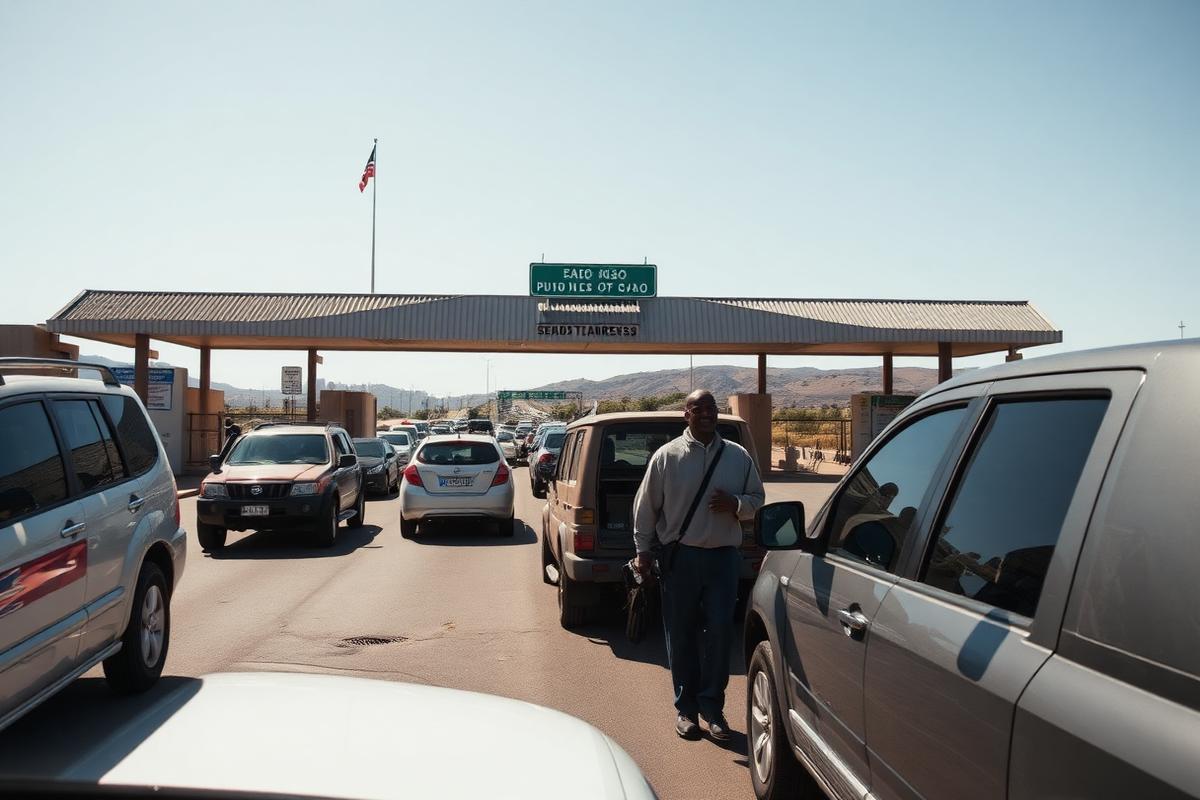
A cross-border transfer is not a long transfer with a stop in it. It is a separate product with its own paperwork, timing profile and failure modes.
Julian Chauke · Founder, SavannahLink8 July 20267 min read
We check four things before we accept a cross-border leg: passenger nationalities, whether minors are travelling, the direction and date of the crossing, and the onward flight or activity. Any one of them can change the vehicle, the departure time or the price.
Our drivers carry a printed manifest, pre-lodged permits and the duty-desk number. On busy corridors an agent walks the group through formalities on foot rather than leaving them in a queue with luggage in a vehicle.
Where vehicles cannot cross, the handover point is named in the booking — not described as 'the border'. Guests are met by name on the far side, and the desk is notified when both legs complete.
We treat holiday weekends, month-end freight peaks and mid-morning coach waves as known conditions rather than surprises. On those dates we shift departures earlier instead of promising the same duration and hoping.
If a leg cannot be run safely to the timings a file requires, we say so at quoting stage and propose an alternative — a flight, a different post, or an extra night.
DMC inspiration
14 October 2026 · 7 min read
Read article
Group travel
1 October 2026 · 7 min read
Read article
Traveller guides
30 September 2026 · 4 min read
Read article