
DMC inspiration
A customisable South Africa and Botswana itinerary agencies can re-cut
14 October 2026 · 7 min read
Read article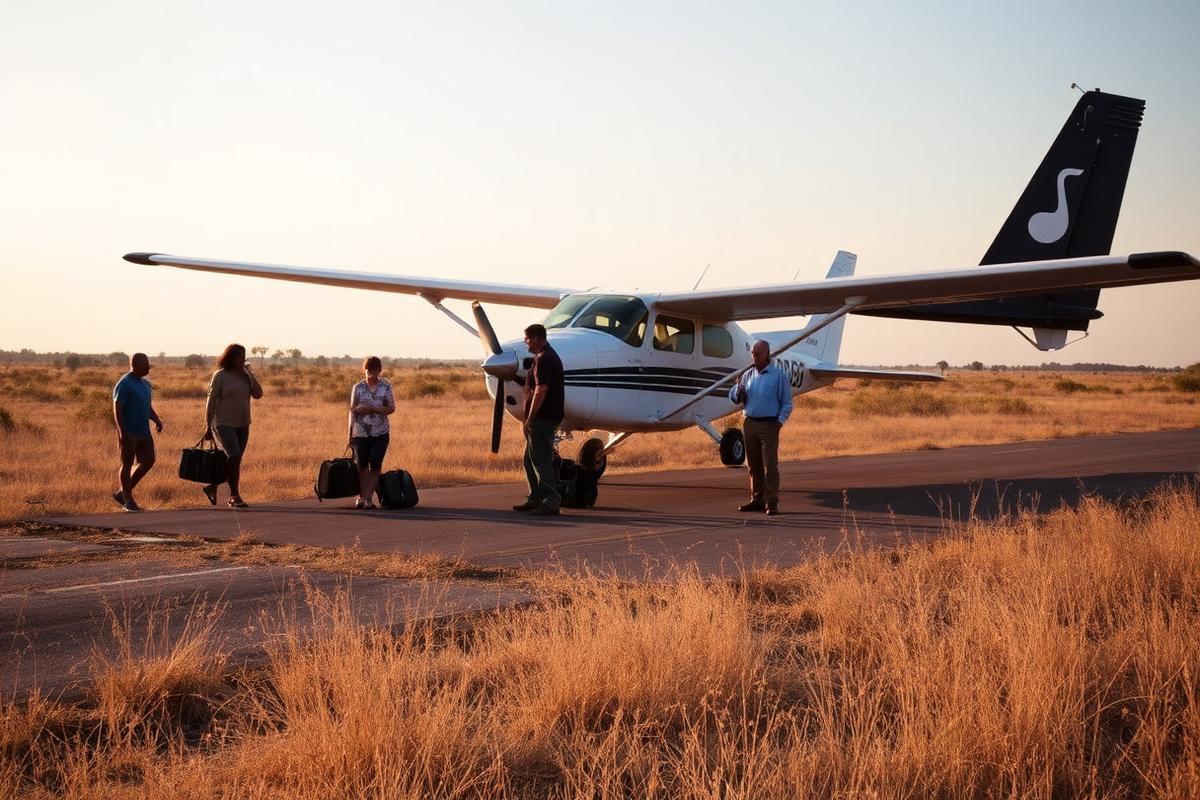
In Botswana and Zambia the itinerary is the flight schedule. Camp order, night counts and even the vehicle at each end are downstream of what the aircraft can do.
Julian Chauke · Founder, SavannahLink9 June 20267 min read
Light-aircraft seat rotations are shared. A single circuit can involve two or three intermediate stops, which is fine when the camp order respects it and painful when it does not. We sequence camps by rotation direction first, then by habitat variety.
Two-night stays look efficient on paper. In practice, a two-night camp with a mid-morning departure and a late arrival gives guests one full day. Where the budget allows, three nights in fewer camps consistently produces a better trip.
Soft bags, 20 kg including hand luggage, is standard. We flag it at quoting stage and again in the final documents, and we arrange storage at the gateway city for the hard cases guests arrive with.
We keep the first and last nights close to the gateway. An international arrival that connects straight onto a light aircraft leaves no margin for a delayed inbound, and a deep-concession departure on the final morning puts an intercontinental flight at the mercy of weather.
Where a client insists on the tighter version, we say what the risk is and quote the contingency alongside it.
DMC inspiration
14 October 2026 · 7 min read
Read article
Group travel
1 October 2026 · 7 min read
Read article
Traveller guides
30 September 2026 · 4 min read
Read article