
DMC inspiration
A customisable South Africa and Botswana itinerary agencies can re-cut
14 October 2026 · 7 min read
Read article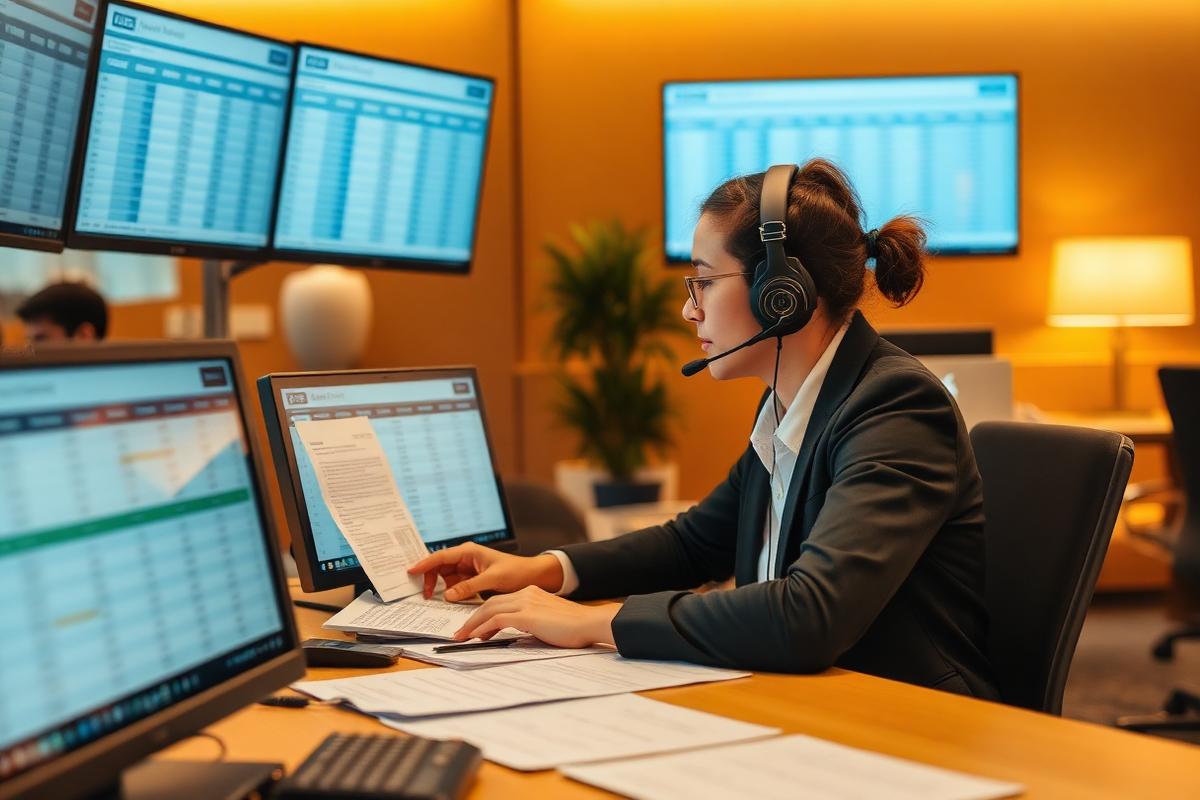
We do not auto-price programmes. A person reads your brief, checks live supplier positions and puts their name on the costing. Here is what that looks like from the inside.
Julian Chauke · Founder, SavannahLink24 June 20266 min read
A brief is triaged the hour it arrives. We check feasibility first — airlift, camp availability in the requested window, and whether the routing can actually be driven or flown in the days allowed. If it cannot, you hear that before you hear a price.
We then request positions from the suppliers we would actually use, rather than costing from a static rate sheet. That is the step automation cannot yet do honestly in this region.
The costing comes back with STO rates in your currency, clearly separated ground and air components, and the seasonality notes that explain why a February price is not an August price.
Where a brief is close to a better routing, we send both: the programme you asked for and the one we would sell. You choose.
Four details cut a day off almost every turnaround: firm travel dates, passenger ages, a budget band per person per night, and the standard the client expects. Send those and the first version is usually the one you quote on.
Once accepted, the file carries a single reference across both products — so a DMC programme and its transfer legs sit in one place in the partner portal.
DMC inspiration
14 October 2026 · 7 min read
Read article
Group travel
1 October 2026 · 7 min read
Read article
Traveller guides
30 September 2026 · 4 min read
Read article